The global fashion industry produces an enormous amount of textile waste, most of which is exported to countries in the Global South. Accra, in Ghana, has become one of the main destinations of this flow, receiving millions of used, and often unused, garments every week. While the environmental and social consequences of this system are well documented, their scale remains difficult to grasp.
Question
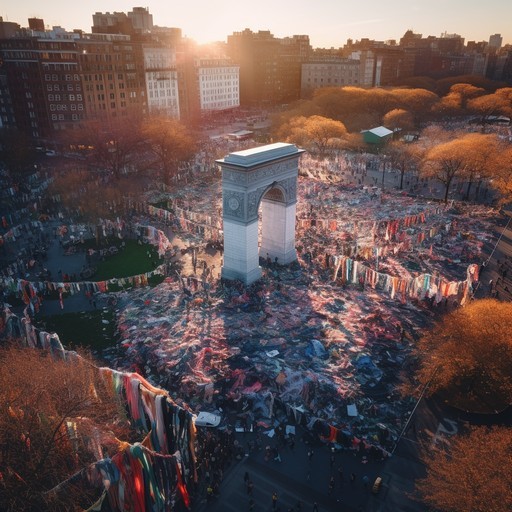
What would happen if the textile waste produced by Western fashion consumption were no longer hidden, but returned to the cities where it originates?
Humap approach
Humap translates quantitative data on textile waste into spatial and urban terms, using the city as a comparative unit of measure.
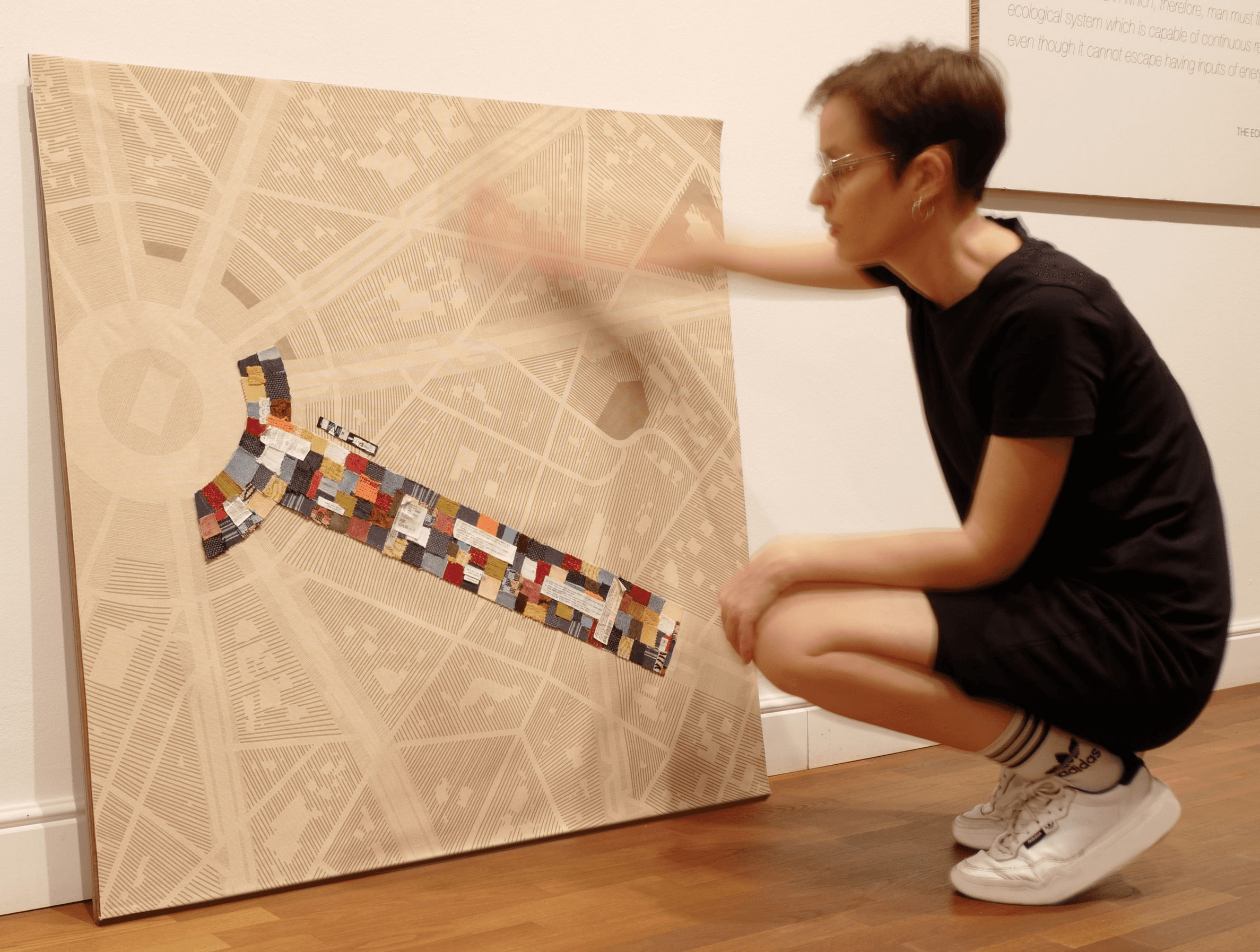
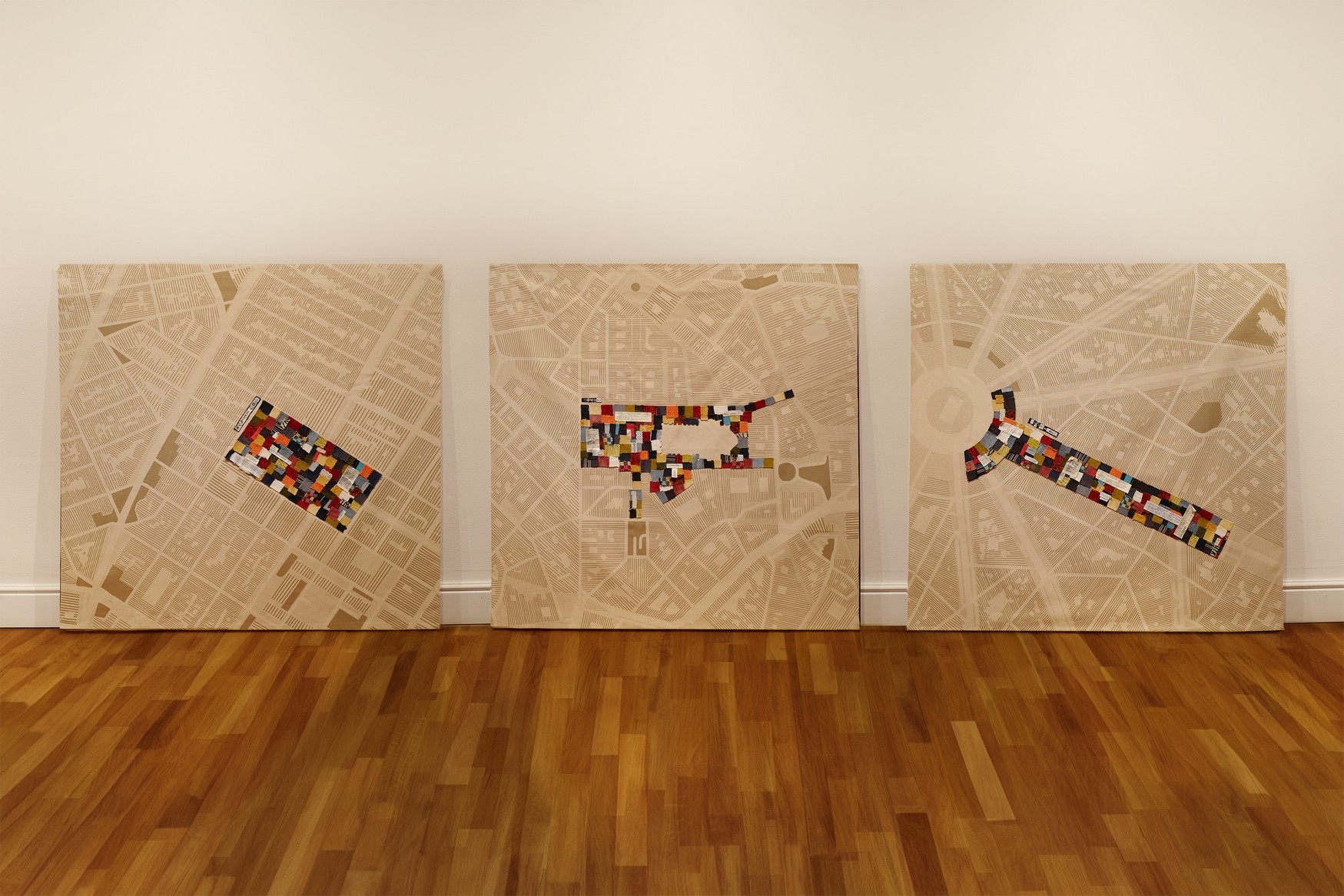
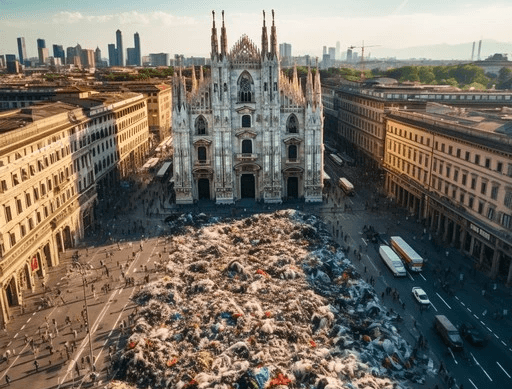
The project takes the weekly volume of garments dumped in Accra and converts it into surface area, imagining how much space this waste would occupy if physically deposited in Western cities. New York, Paris, and Milan - three global fashion capitals - are placed on the same scale, allowing the amount of waste to be read not as an abstract statistic but as a tangible urban invasion.
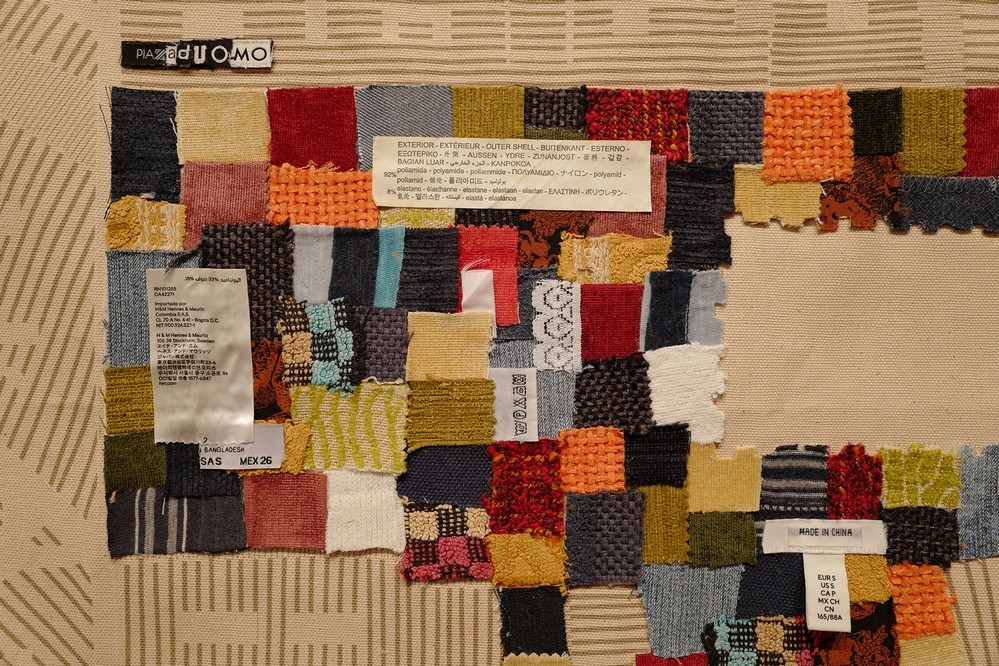
The work combines physical maps printed on recycled cotton, fabric patchworks representing compressed textile waste, and AI-generated images that speculate on a future where fashion waste is no longer invisible, but materially present in public space.
Outcome
A research-driven installation that translates textile waste data into urban scale, using city maps, recycled materials, and speculative imagery to turn a distant environmental crisis into a visible, spatial, and collective experience.
Sources: Reuters, The Or Foundation