Freelance work is often portrayed as flexible, autonomous, and liberating. Behind this narrative, however, lies a less visible reality: extended workdays, blurred boundaries between work and life, and a constant negotiation with time. These dynamics are widely experienced but rarely visualized or acknowledged as structural conditions of contemporary independent work.
Question
What does a freelancer’s workday actually look like when measured through time?
Humap approach
Humap uses the language of data visualization to design a physical object.
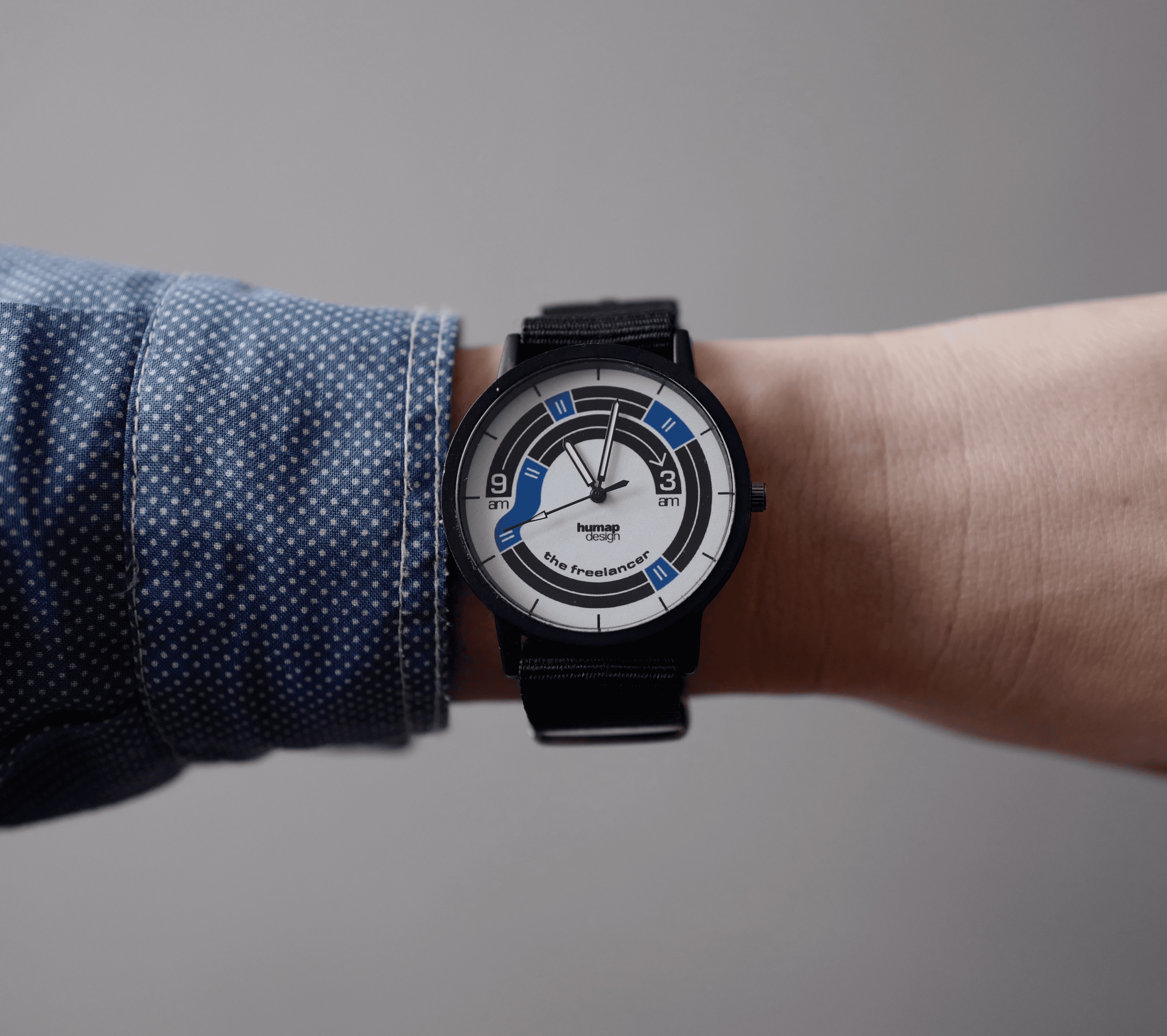
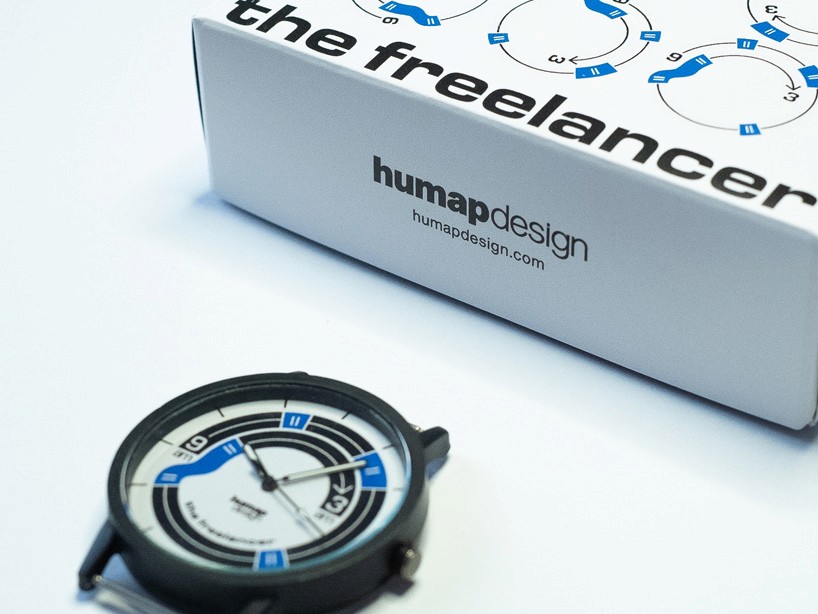
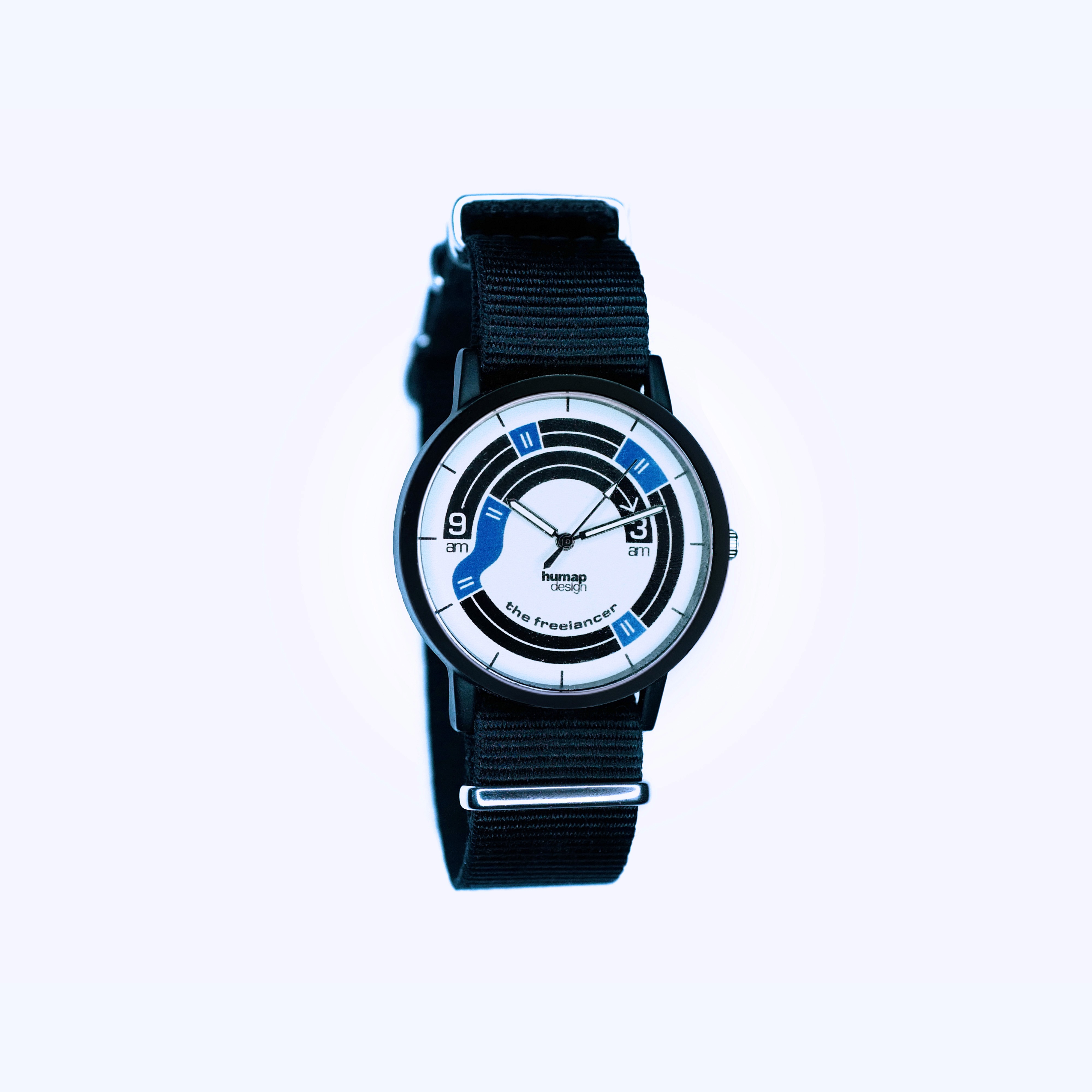
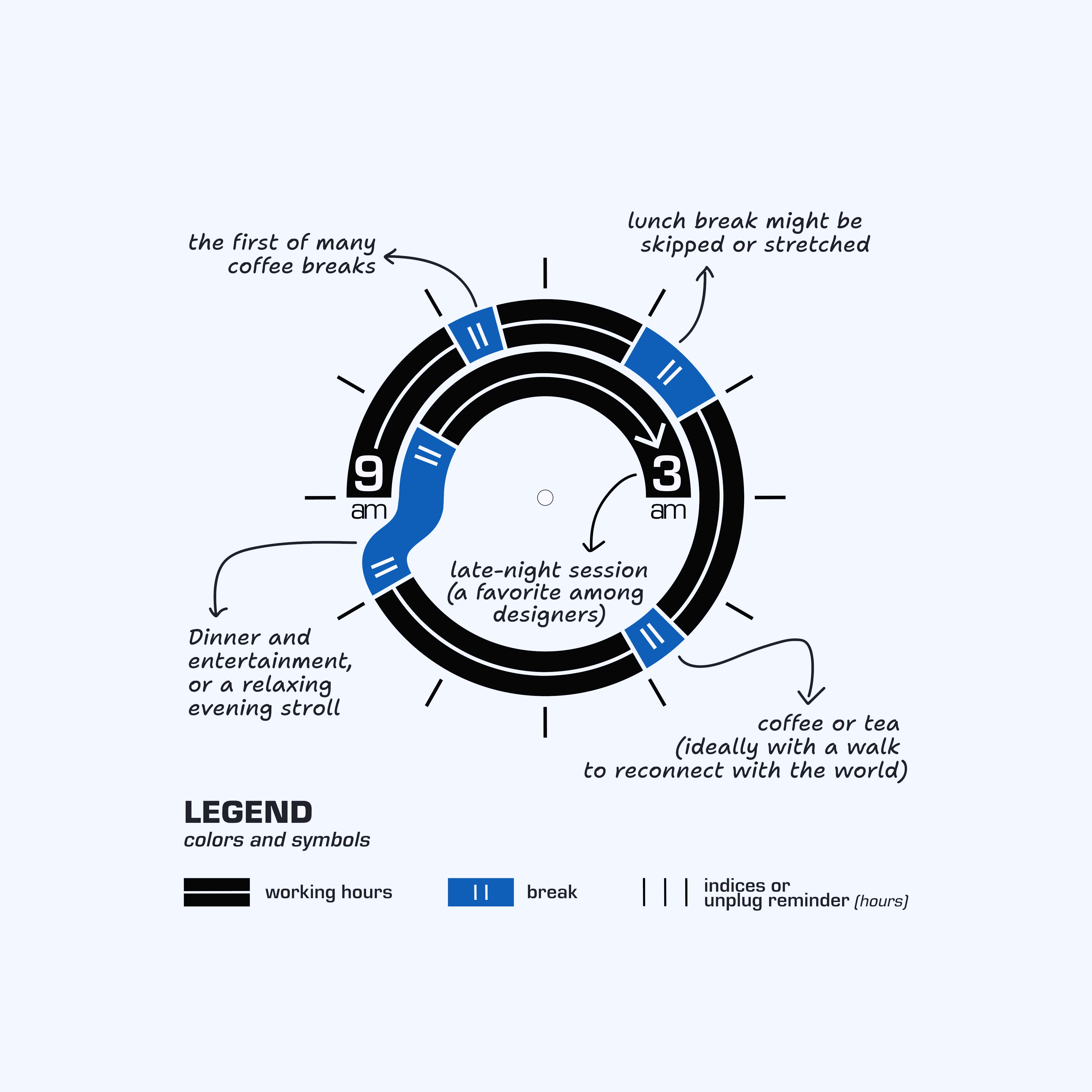
Instead of charts or screens, time is mapped onto a watch face, turning an everyday tool into a critical, narrative device.
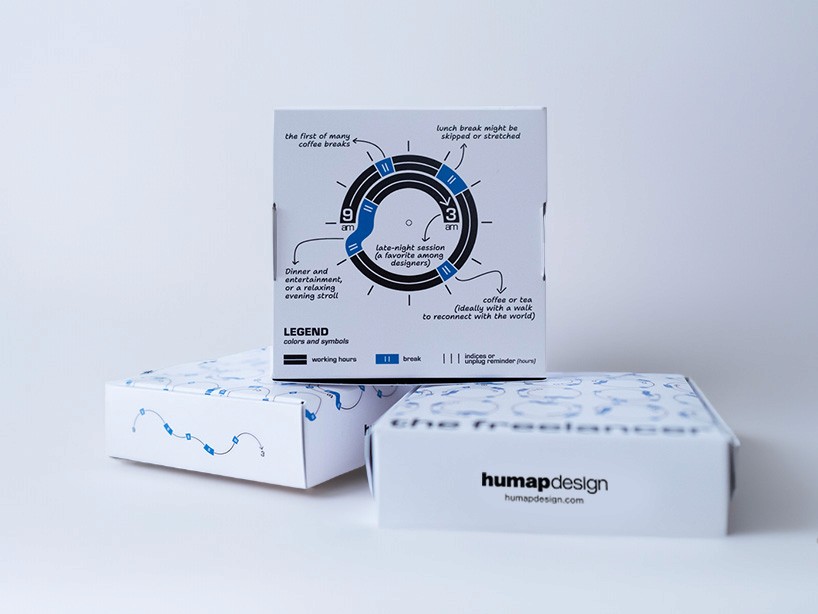
Working hours are represented by a continuous black line looping from 9 AM to 3 AM, visually collapsing day and night into a single, uninterrupted cycle. Small blue segments mark the few moments of pause - meals, short breaks, moments of recovery - highlighting their rarity rather than their abundance. By bending conventional time representation, the watch exposes how freelance work stretches far beyond the standard eight-hour model.
Irony and self-observation are central: the object does not accuse, but reflects a shared condition back to those who live it.
Outcome
The new dashboard reduced analysis time by 40% and improved user engagement by 25%. Developers reported a significant boost in productivity and decision-making accuracy.