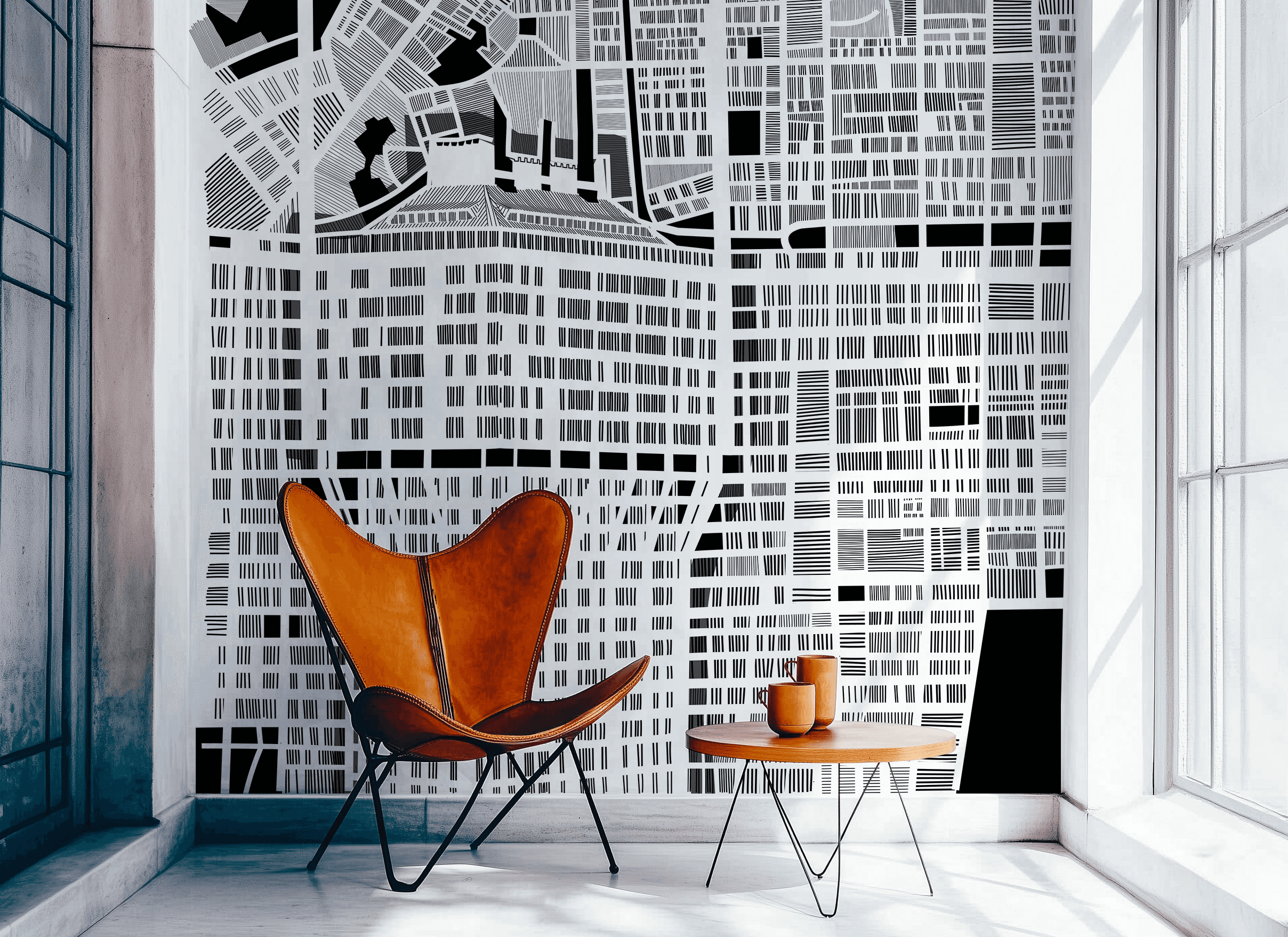
Maps are often perceived as neutral tools for orientation, yet they are also powerful narrative devices. Beyond accuracy and scale, maps shape how places are remembered, imagined, and emotionally inhabited. The Urban Abstractions series explores how urban cartography can move from representation to storytelling, using abstraction as a way to activate memory, perception, and identification.
Question
What makes a city recognizable even when it is abstracted?
Humap approach
Humap works with abstraction as a narrative trigger.
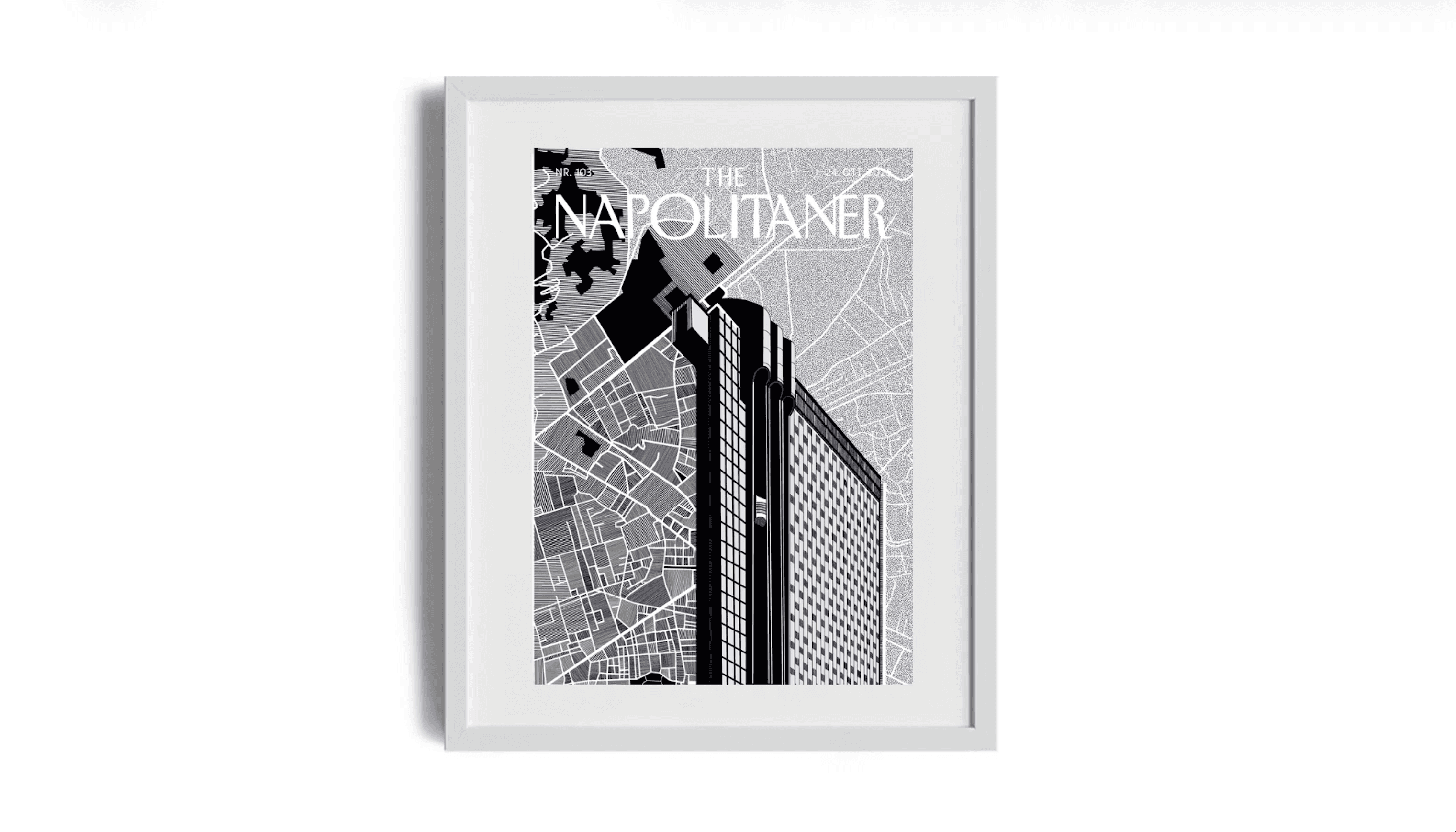
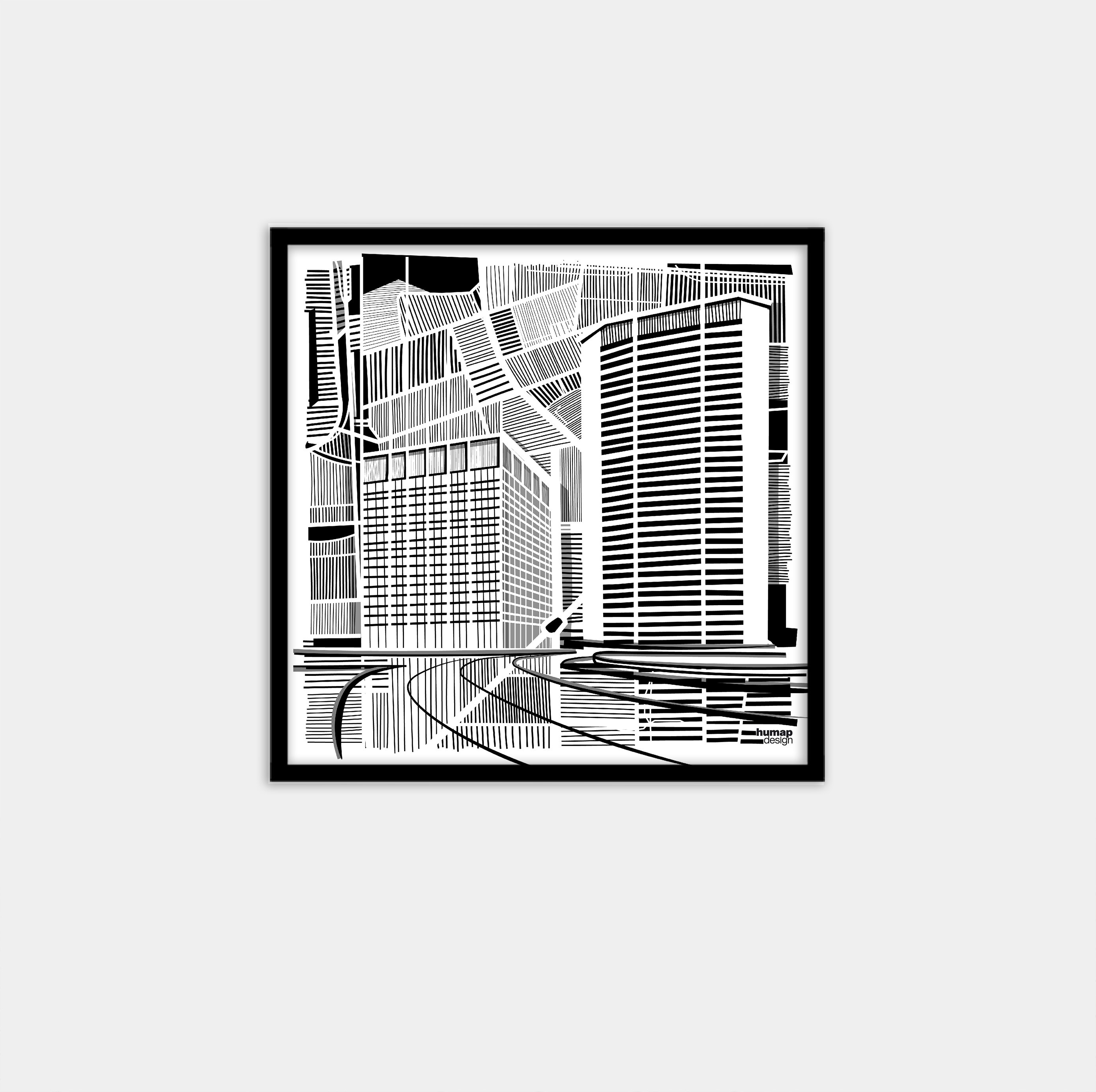
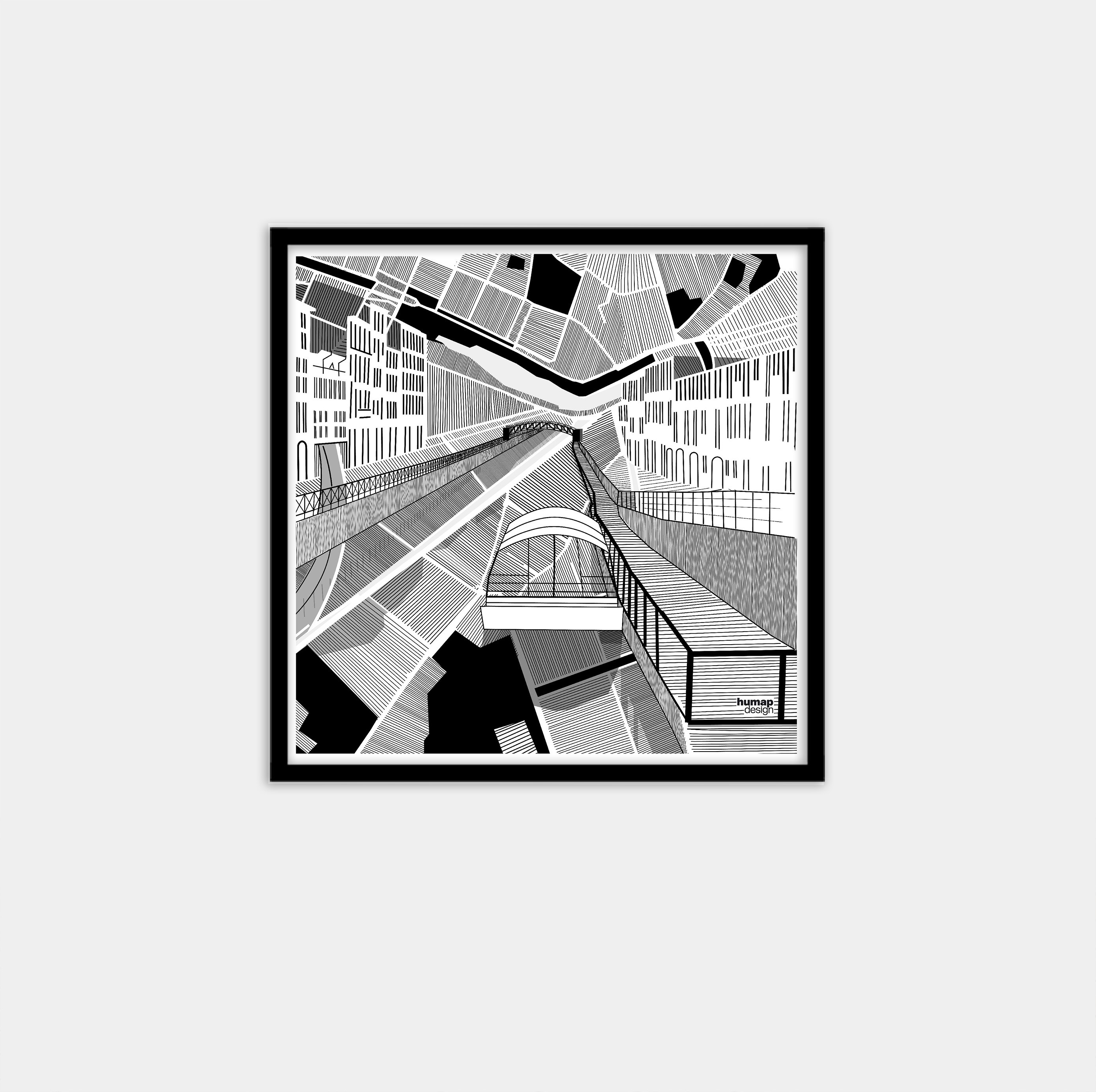
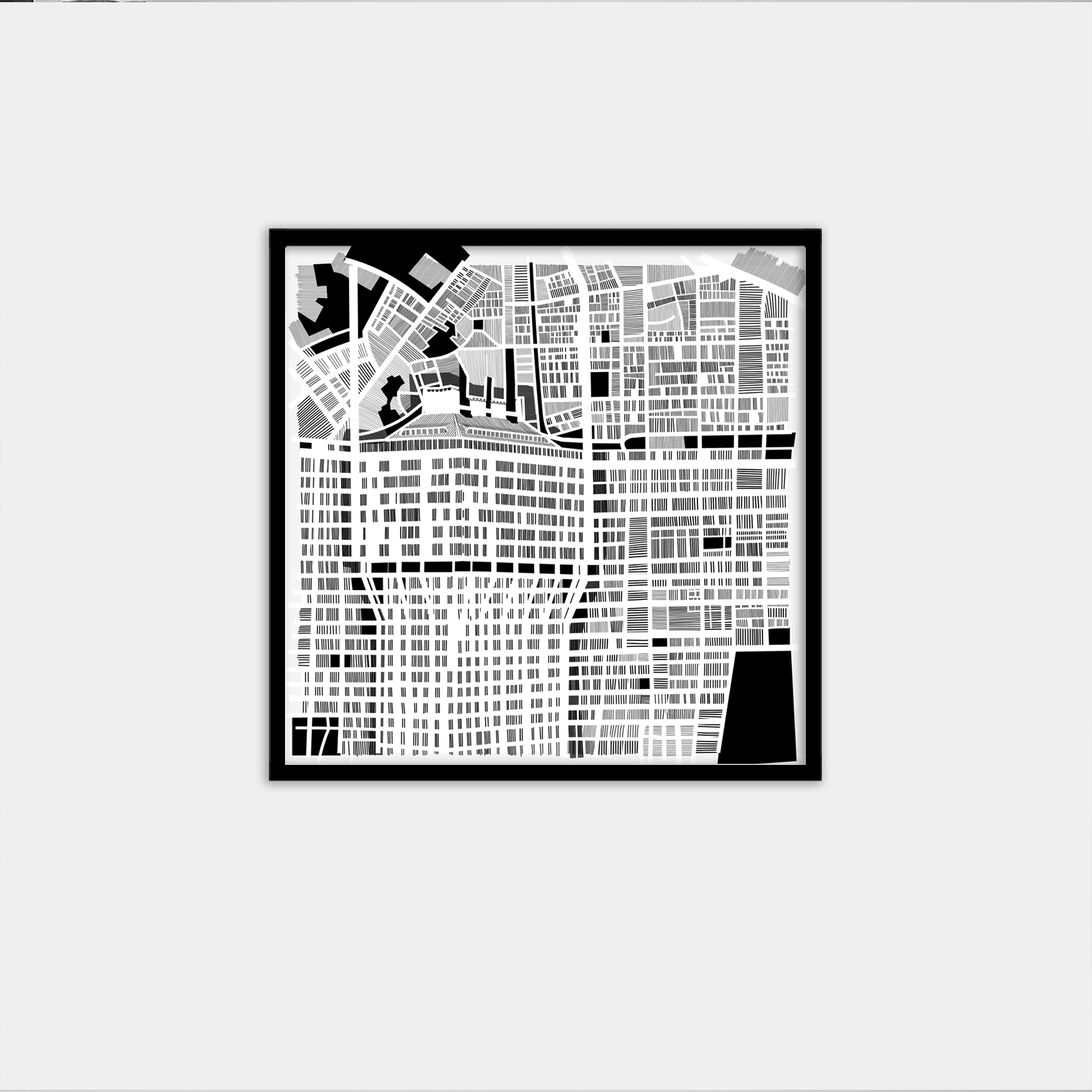
Real and imagined cities are translated into illustrated maps through the repetition of sharp geometric signs, where building profiles dissolve into the urban fabric. Familiar visual patterns allow viewers to recognize places not through precision, but through emotional resonance.
In maps representing real cities, abstraction relies on shared visual memory: observers identify themselves in the rhythm of lines and structures, projecting lived experiences onto the map. In imaginary urban landscapes - such as the This is not… series - recognition becomes ambiguous. The absence of explicit references invites viewers to actively construct their own narratives, filling intentional gaps with personal memories, associations, and biases.
The map becomes a perceptual space rather than a fixed territory.
Outcome
A series of abstract urban maps that transform cartography into an open narrative system, using geometric language and visual familiarity to evoke memory, perception, and personal storytelling rather than geographic accuracy.